
Obesity is not simply a matter of personal choice or willpower. It is a complex, chronic disease associated with metabolic dysfunction that can affect multiple organ systems, including the liver.
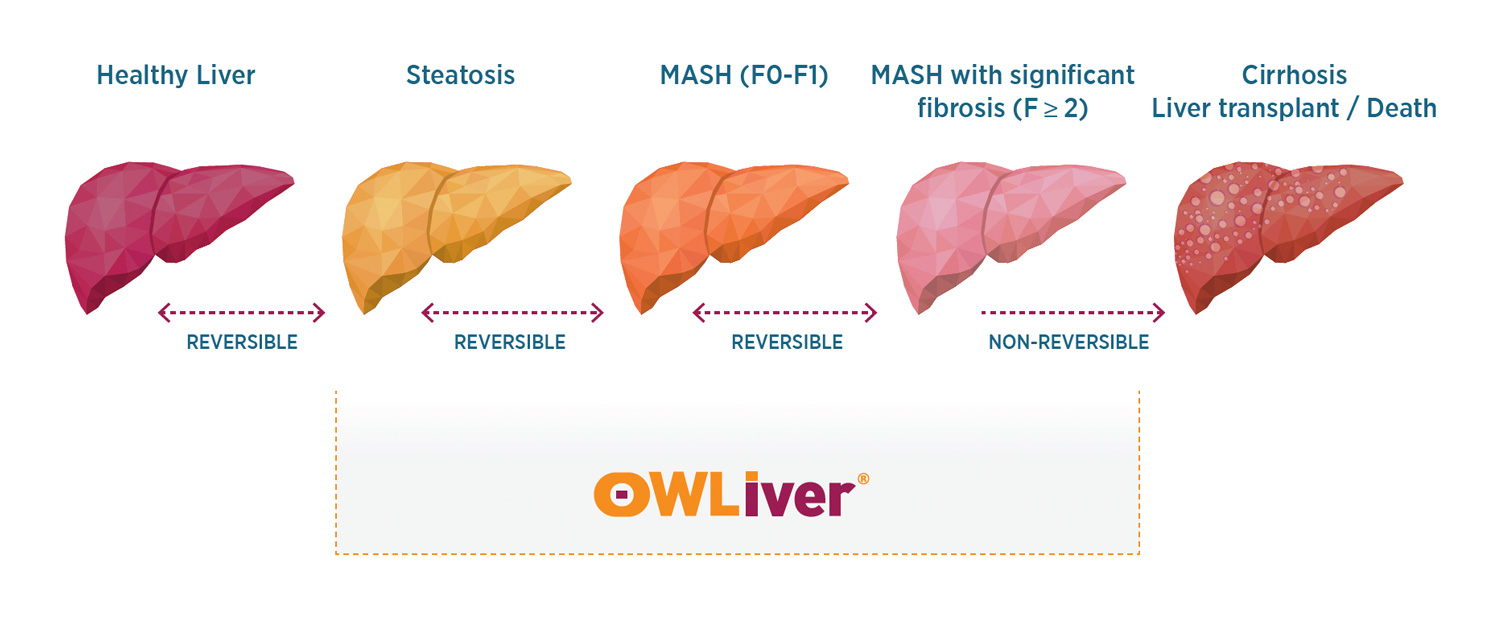
One of the most common related conditions is metabolic dysfunction-associated steatotic liver disease, or MASLD. In some patients, MASLD progresses to metabolic dysfunction-associated steatohepatitis, or MASH, which is characterized by liver inflammation and cell injury. Over time, this damage can lead to fibrosis, cirrhosis, or hepatocellular carcinoma.
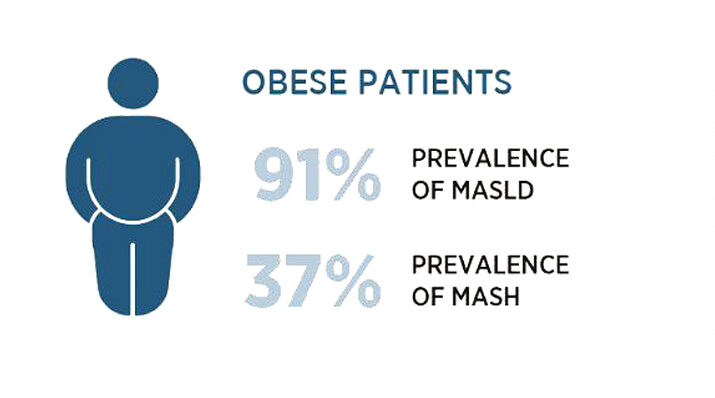
MASLD is estimated to affect approximately 91% of adults with obesity, and roughly one-third may have MASH.1 Yet the disease often progresses without obvious symptoms, making it difficult to recognize during a routine medical visit.
A rapidly changing treatment landscape
The treatment landscape for obesity and related metabolic disease is evolving rapidly. New medications are providing clinicians with more options, while approved and investigational therapies are also targeting MASH and liver fibrosis.
Wegovy, for example, is a GLP-1 originally approved for weight management that also received FDA approval to treat a specific liver condition. In a recent study, interim results showed “63% of participants receiving Wegovy had MASH resolution and no worsening of liver scarring compared to 34% of participants receiving placebo.”2
These findings highlight the potential for emerging therapies to address both obesity and related metabolic liver disease. They also reinforce an important clinical challenge: identifying which patients have liver fat alone and which have progressed to inflammation or fibrosis.
Better treatment begins with better assessment
Liver biopsy remains the traditional method for formally diagnosing and staging MASH, but it is invasive and impractical for widespread assessment. Blood- and imaging-based non-invasive tests are therefore playing an increasingly important role in identifying patients at risk of disease progression.
OWLiver® is a non-invasive, metabolomics-based blood test designed to assess liver fat, inflammation, and fibrosis. It can help identify MASLD, MASH with little or no fibrosis, and at-risk MASH with significant fibrosis, providing greater insight into where a patient may fall along the liver disease spectrum.
As obesity treatment continues to advance, clinicians have an important opportunity to look beyond weight loss alone. Earlier, more precise assessment of associated liver disease can help inform appropriate monitoring, referral, and treatment before significant damage occurs.
References
1 Lee M. Kaplan, Elena Startseva, Carel W. le Roux, et al. Survodutide in adults with obesity and metabolic dysfunction-associated steatotic liver disease: SYNCHRONIZE-MASLD, a randomized, double-blind, placebo-controlled phase 3 trial in Nature Medicine. Published June 7, 2026
2 FDA Approves Treatment for Serious Liver Disease Known as ‘MASH. Published August 15, 2025.